


The Rise of Mixed-Use Developments in Urban Centers: A New Era
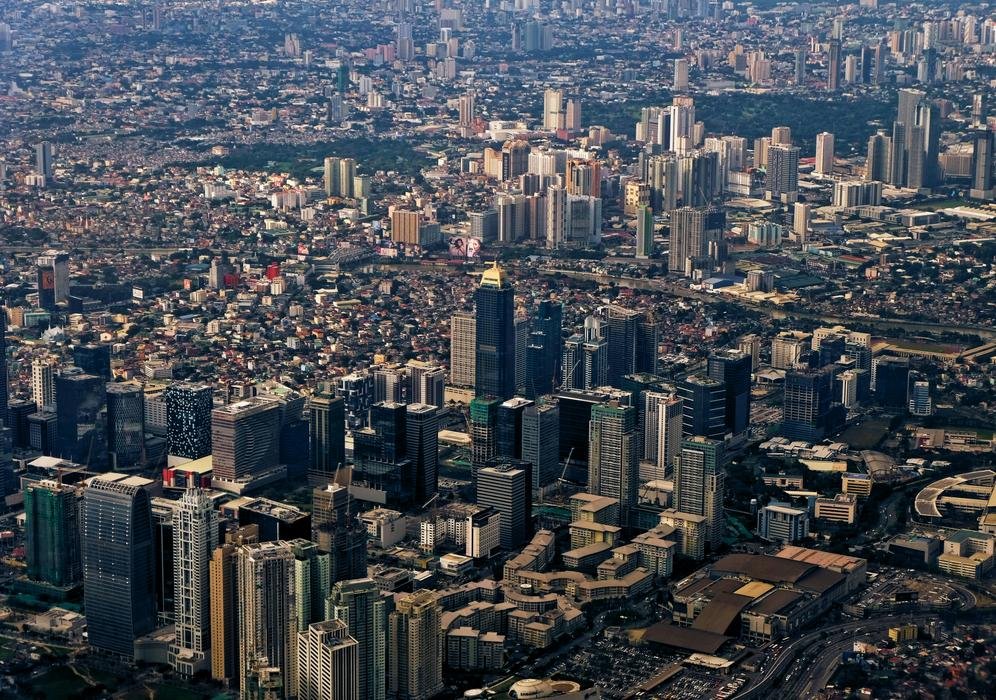
The urban landscape is experiencing a significant transformation through the rise of mixed-use developments in urban centers. These innovative projects blend residential, commercial, and recreational spaces into cohesive environments that enhance quality of life and foster vibrant communities. As cities grow and evolve, mixed-use developments are becoming a fundamental component of urban planning strategies, addressing the need for sustainable living, community engagement, and economic growth.
Understanding Mixed-Use Developments
Mixed-use developments typically combine different functionalities within a single location. These can include residential apartments, office spaces, retail shops, restaurants, parks, and recreational areas—all working together to create a harmonious urban ecosystem. By integrating these diverse functions, mixed-use developments promote walkability and reduce reliance on automobiles, yielding numerous social, economic, and environmental benefits.
Benefits of Mixed-Use Developments
Enhanced Community Interaction
One of the most prominent advantages of mixed-use developments in urban centers is the enhanced interaction among residents and local businesses. By providing spaces that cater to various activities, these developments encourage people to socialize, shop, work, and relax in close proximity. This sense of community fosters stronger social ties, resulting in neighborhoods where people know their neighbors and engage more actively with local culture.
Economic Revitalization
Mixed-use developments serve as catalysts for economic growth by attracting businesses and promoting job creation. The proximity of residential areas to commercial establishments allows for a synergistic ecosystem where residents can support local businesses, thereby stimulating the local economy. Furthermore, these projects can increase property values and tax revenues for municipalities, contributing to broader urban development initiatives.
Environmental Sustainability
Another significant impact of the rise of mixed-use developments in urban centers is their contribution to environmental sustainability. These developments promote a reduced carbon footprint through increased walkability and the same lifestyle conveniences that once necessitated vehicle use. Many mixed-use projects incorporate green building designs, such as energy-efficient materials and sustainable landscaping, which align with contemporary environmental standards and practices.
Key Features of Mixed-Use Developments
Pedestrian-Friendly Design
A core principle of mixed-use developments is creating pedestrian-friendly environments. The integration of wide sidewalks, bike lanes, public transport access, and accessible public spaces encourages walking and cycling. Such designs prioritize safety and comfort, ensuring that residents and visitors can navigate the area easily.
Public Spaces
Incorporating public spaces within mixed-use developments is critical to their success. Parks, plazas, and recreational areas serve as essential gathering spots for residents, hosting community events and fostering connections. These spaces also improve physical and mental well-being by providing areas for exercise, relaxation, and leisure activities.
Diversity in Housing Options
Mixed-use developments typically offer a range of housing options, catering to different demographics and income levels. This inclusivity allows people from various backgrounds to live and thrive in the same community. By providing affordable housing options alongside higher-end residences, cities can bolster social equity and ensure that diverse populations coexist.
Case Studies of Successful Mixed-Use Developments
Hudson Yards, New York City
Hudson Yards represents one of the largest mixed-use developments in the United States. Spanning over 28 acres, this ambitious project features residential units, office spaces, retail shops, dining opportunities, and public open spaces. Notable highlights include a public square and the Vessel, an interconnected honeycomb-like structure designed to encourage exploration and interaction.
The Wharf, Washington D.C.
The Wharf is a waterfront mixed-use development that revitalized a once-neglected area along the Potomac River. This vibrant neighborhood blends residential, hotel, commercial, and recreational spaces, attracting residents and visitors alike. The Wharf's design emphasizes public access, with walking paths, parks, and community events that enrich local culture and economic activity.
Zocca, Italy
Zocca is a smaller-scale example of a successful mixed-use development that has flourished in Italy. By integrating residential apartments, artisanal shops, and local cafes, this project emphasizes the importance of community space and local engagement. Its charming design encourages residents to interact with businesses, fostering a unique sense of place and belonging.
Challenges Facing Mixed-Use Developments
Despite the myriad benefits, mixed-use developments face several challenges that must be addressed to ensure their success.
Zoning Regulations
Zoning laws can pose significant obstacles for mixed-use developments. Many cities have strict zoning regulations that segregate residential, commercial, and industrial zones. Modifying these laws requires significant advocacy and planning efforts to foster a conducive environment for mixed-use projects.
Financing and Investment
Financing mixed-use developments can be complex, as they typically require substantial capital across various sectors. Developers must secure funding not only for residential units but also for commercial spaces, infrastructure, and public amenities. Failure to obtain necessary financing can stall or prevent development altogether.
Community Resistance
Community pushback can be a barrier to implementing mixed-use developments, as local residents may be concerned about increased traffic, noise, or changes to the neighborhood's character. Engaging with the community through outreach initiatives and incorporating feedback into initial design plans can help foster a sense of ownership and acceptance.
The Future of Mixed-Use Developments in Urban Centers
The rise of mixed-use developments in urban centers signifies a transformative shift in how cities are designed and experienced. As urban populations continue to grow, the integration of residential, commercial, and recreational spaces is critical to accommodating the diverse needs of modern society.
The Role of Technology
Advancements in technology will play a crucial role in shaping the future of mixed-use developments. Smart city technology, such as smart traffic management systems and energy-efficient building designs, can enhance the functionality and sustainability of these projects. Incorporating technology will facilitate better urban planning and improve residents' quality of life.
Adapting to Changing Demographics
As demographic patterns shift, mixed-use developments must adapt to meet the needs of diverse populations. For instance, younger generations may prioritize walkability and accessibility to amenities, prompting developers to design spaces catered towards their lifestyles. Additionally, accommodating aging populations through accessible facilities and housing options will be paramount.
Sustainable Practices
The emphasis on sustainability will continue to shape the rise of mixed-use developments in urban centers. As cities grapple with climate change and environmental degradation, eco-friendly designs, renewable energy sources, and green building certifications will become vital components of future developments. These sustainable practices not only promote ecological responsibility but can also attract eco-conscious residents and businesses.
Conclusion
The rise of mixed-use developments in urban centers marks a new era in urban planning, creating vibrant, interconnected communities that address the complexities of modern living. By combining residential, commercial, and recreational spaces, these developments foster community interaction, stimulate economic growth, and contribute to environmental sustainability. As cities adapt to the changing landscape of urbanization, mixed-use developments will play a crucial role in shaping the future of urban life.
FAQ Section
What are the key benefits of the rise of mixed-use developments in urban centers?
The rise of mixed-use developments in urban centers offers enhanced community interaction, economic revitalization, and environmental sustainability. They encourage social engagement, support local businesses, and reduce reliance on cars.
How do mixed-use developments contribute to economic growth?
Mixed-use developments stimulate economic growth by attracting businesses, creating jobs, and increasing property values and tax revenues, fostering an overall vibrant economic environment.
Can mixed-use developments support sustainability goals?
Yes, the rise of mixed-use developments in urban centers emphasizes walkability, reduces the carbon footprint, and many projects incorporate sustainable building materials and green spaces.
What are some successful examples of mixed-use developments?
Successful examples include Hudson Yards in New York City, The Wharf in Washington D.C., and Zocca in Italy, all of which effectively blend residential, commercial, and public spaces.
What challenges do mixed-use developments face?
Challenges include zoning regulations, financing complexities, and community resistance. Addressing these issues requires effective advocacy, planning, and community engagement.





No Comments
Sorry, the comment form is closed at this time.